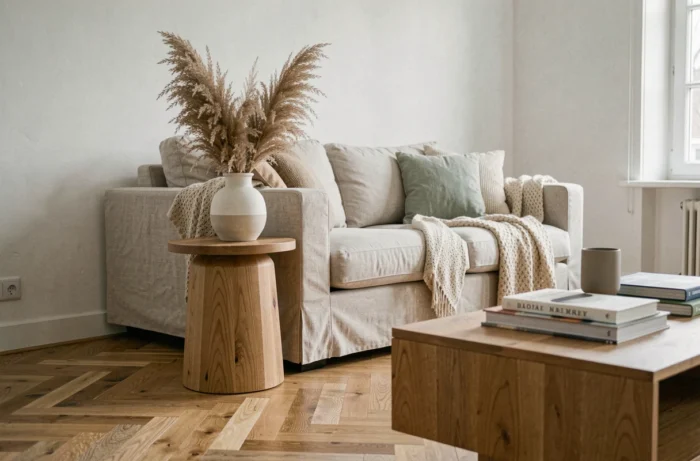
Among bio-sourced materials, earthy palettes, and modular furniture, the interior decoration of 2026 is structured around concrete choices that alter the perception of a space. This article compares the main trends in home decoration, measuring what distinguishes a mere fad from a sustainable choice.
Bio-sourced materials versus classic materials: how visual rendering changes
Bio-sourced materials (recycled hemp, plant filaments, plant wax, raw linen) are not just an ecological argument. Their decorative interest lies in optical and tactile properties that conventional materials do not replicate.
| Criterion | Bio-sourced materials (hemp, linen, plant wax) | Classic materials (polyester, resin, industrial glass) |
|---|---|---|
| Surface texture | Irregular, visible grain, natural relief | Smooth, uniform, controlled finish |
| Light behavior | Soft diffusion, partial absorption | Sharp reflection, pronounced highlights |
| Aging | Progressive patina, the material evolves | Yellowing or dulling depending on quality |
| Tactile sensation | Warmth, flexibility, perceptible grain | Coldness or neutrality, regular surface |
| Coherence with an earthy palette | Strong (integrated natural shades) | Requires dyeing or treatment |
At the 2026 Maison & Objet fair, several designers showcased lighting fixtures made from bio-sourced filaments and sculptures in plant wax, precisely to exploit this particular light diffusion. Raw travertine, combined with furniture featuring organic curves and textiles made from recycled hemp, forms a recurring combination in the fall collections.
Specifically, replacing a polyester lampshade with a raw linen model changes the perceived color temperature throughout the room. It’s a low-cost decorative lever that transforms the atmosphere of a living room or bedroom without altering the walls or floor.
To explore objects and furniture that incorporate these materials in every room of the home on the La Petite Déco website, product sheets often detail the composition and actual rendering of the materials.
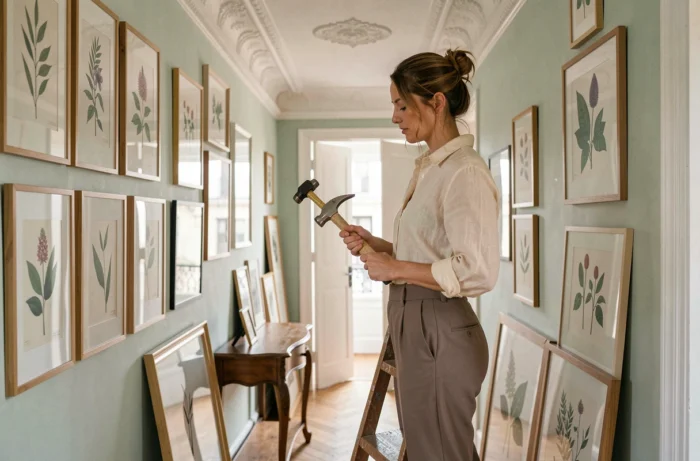
Earthy colors and neutral tones: the 2026 decor palette room by room
The dominant palette of 2026 extends a movement that began the previous year. Warm and earthy colors (terracotta, brown, ochre) establish themselves as the chromatic background, laid on a base of neutral tones. However, bright touches do not disappear: they serve as occasional accents.
Living room and common areas
The living room remains the space where the trend is most quickly read. A sofa in natural linen fabric, an ochre rug, and terracotta cushions are enough to anchor the palette without repainting the walls. Matte dark wood returns on low furniture and shelves, contrasting with light walls.
Kitchen and dining area
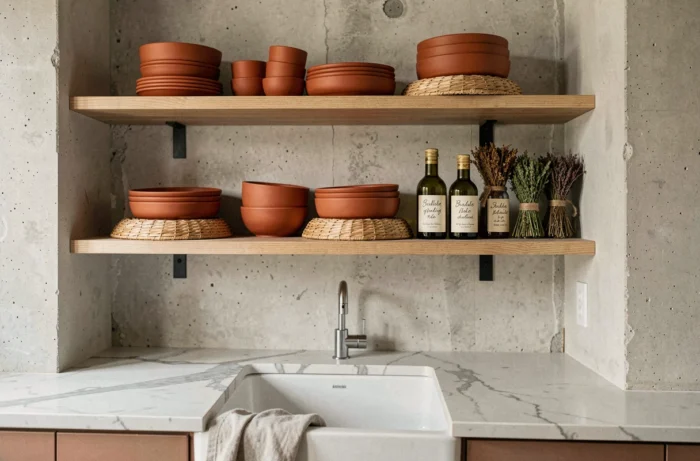
The kitchen adopts raw wood facades or matte finishes in brown tones. Matte paint on the walls gradually replaces wall tiles over large surfaces, softening the room. Handmade ceramic accessories (bowls, vases, pots) add an earthy touch without heavy renovations.
Bedroom and relaxation spaces
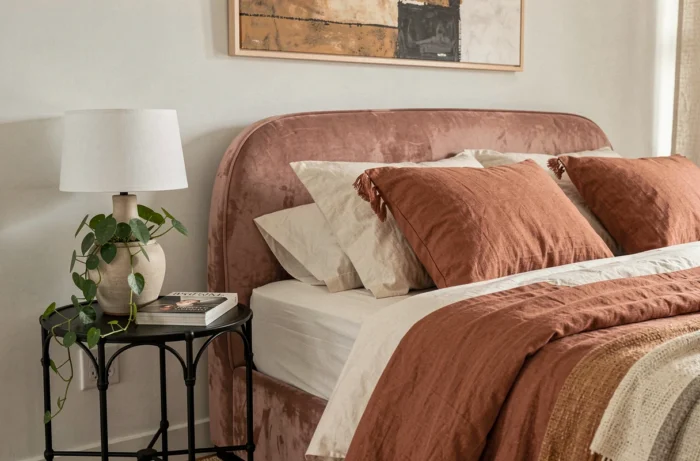
Linen dominates the bedding. The shades focus on greige, sand, and off-white. Brass touches on bedside lamps introduce a warm note without overwhelming. The bedroom gains serenity with no more than three colors, all from the same chromatic family.
Modular furniture and surface constraints: an underestimated selection criterion
Several trend analyses for 2026 indicate a rise in modular furniture: segmentable sofas, extendable tables, stackable storage. This rise is not merely a style effect.
Surface constraints in urban housing push manufacturers to design pieces that adapt to changing configurations. A modular sofa allows for a transition from an L-shaped arrangement to two separate seats depending on the room’s use. This type of furniture also responds to rising energy costs: reducing a room’s clutter improves air circulation and the diffusion of natural light.
- Segmentable sofas adapt to narrow living rooms as well as large open spaces, without needing to purchase new furniture.
- Modular shelves in raw wood serve a dual purpose: storage and visual separation between two areas (living room and dining area, for example).
- Nesting coffee tables in travertine or ceramic slide under one another, freeing up space for daily use.
This furniture integrates into the earthy palette of 2026: manufacturers mainly offer finishes in light wood, linen, or neutral shades. The choice of modularity conditions the fluidity of the room far more than the color of the walls or the style of the wallpaper.
Bio-sourced lighting and light design: the detail that changes the atmosphere
Lighting remains the quickest decorative lever to activate. In 2026, lighting fixtures made from bio-sourced materials (molded plant wax, woven rattan, plant filaments) stand out for their ability to sculpt light rather than simply emit it.
A woven rattan ceiling light casts cut shadows on the walls and ceiling, creating a dynamic pattern that evolves with the sun’s position. The plant wax lamps, spotted at the 2026 Maison & Objet fair, produce a filtered light, similar to that of a candle, but with sufficient intensity for daily use.
- In the living room, a suspended luminaire made from bio-sourced filament replaces a recessed spotlight to soften the ambiance.
- In the kitchen, matte ceramic wall sconces direct light toward the work surface without glare.
- In the bedroom, a bedside lamp made from plant wax diffuses a warm light that promotes sleep.
The trendy decoration of 2026 boils down to a few concrete choices: bio-sourced materials for texture and light, an earthy palette narrowed down to two or three tones per room, modular furniture sized according to actual surface area. The choice of materials takes precedence over the choice of style, as it conditions both the visual rendering, tactile comfort, and the durability of the whole.