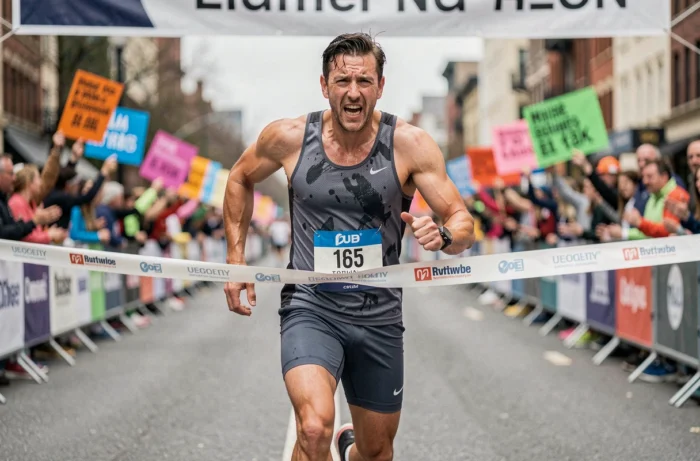
The Paris Olympic Games left a lasting media footprint. But federation figures tell a more nuanced story than the narrative of a collective surge toward sports clubs. In 2025, sports memberships in France continued to rise, but at a slower pace than between 2023 and 2024. Measuring this momentum means distinguishing between disciplines, audiences and ways of taking part.
Sports memberships in France: differences between disciplines after the Games
Growth in federation memberships is not evenly distributed. Some sports are driving the trend upward, while others are stagnating or slowing down.
| Sport category | Membership trends in 2025 | Identified factors |
|---|---|---|
| Racket sports (tennis, padel, badminton) | Strong growth | Growing interest in padel, expanding club offerings |
| Combat sports (judo, boxing, karate) | Strong growth | Olympic visibility, mixed-gender participation |
| Team sports (football, handball, basketball) | Slowing growth | Some clubs reaching capacity, competition from informal sports |
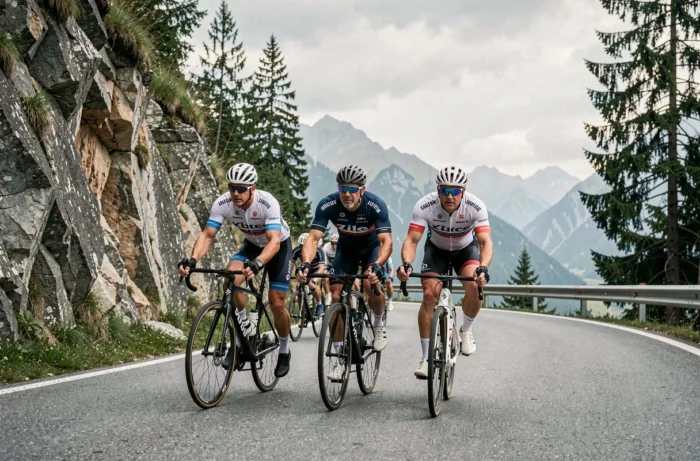
| Informal activities (jogging, cycling, hiking) | Not counted by federations | No membership required, fragmented data |
Racket and combat sports are attracting a growing share of members. Padel, in particular, is driving some of tennis’s growth, even though the two disciplines coexist in the same clubs. Team sports, meanwhile, are losing momentum.
This picture obscures a blind spot: informal activities. Running, cycling or hiking does not require a membership. Someone who gets back into sport after the Games by lacing up their running shoes does not appear in any federation records. Current data on sports news and participation trends in France are regularly discussed on latribunedusport.fr, which compiles results and industry analysis.
New members or renewals: what the figures don’t show
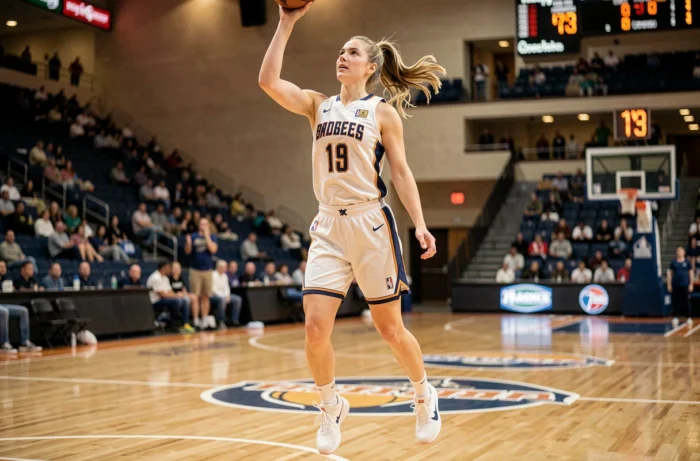
The rise in memberships raises a question that is rarely asked: are these new participants or renewals by athletes who were already involved? Federations publish annual totals, not net inflows. A member who renews after a year away adds to the count just as much as a beginner.
This statistical ambiguity makes it impossible to determine the true impact of major events. A media success generates a measurable spike in interest, reflected in online searches and enquiries to clubs. Turning that interest into regular participation is another matter entirely.
The prevalence of multiple memberships makes the figures even harder to interpret. One person may hold a tennis membership, a hiking membership and an alpine skiing membership. The national total therefore exceeds the actual number of people taking part in organised sport.
Sports participation among seniors: a long-term trend in France
One of the clearest shifts concerns people over 55. Their memberships increased in 2025 and account for a notable share of the total recorded. This is not a post-Olympics fad, but a structural trend linked to an ageing population and the promotion of adapted physical activity.
Some disciplines are benefiting more than others:
- Recreational gymnastics, which offers classes with adjustable intensity and attracts people looking to stay fit rather than compete
- Tennis and table tennis, with more dedicated sessions for seniors being offered at municipal clubs
- Shooting and pétanque, low-impact disciplines that are compatible with continued participation after 60
This membership segment has a higher retention rate than young adults. Seniors are more likely to renew their membership from one year to the next, helping to stabilise federation numbers even when the influx of beginners slows.
Women’s memberships and sport in France: a persistent gap
Women’s sport reached unprecedented visibility during the Paris Games. The performances of France’s women’s handball team, along with medals in judo and fencing, received coverage comparable to that of the men’s events.
Federation figures for 2025 tell a different story. Women’s memberships grew more slowly than men’s. The share of women among members even edged down slightly. This gap between media exposure and actual participation calls for a closer look at the practical barriers.
- There are still too few women’s sessions in several disciplines, particularly in team sports, where women’s teams struggle to find court time
- Unrecorded informal participation accounts for some of the demand among women: running, yoga and fitness at private gyms
This does not diminish the progress made in television coverage or sponsorship. It shows that media exposure alone is not enough to transform the facilities and support clubs provide.
Sports trends in 2025–2026: what federations measure and what they miss
Membership counts remain the most widely used indicator for assessing the health of sport in France. They have well-known limitations: they do not capture informal participants, private gym members or users of coaching apps. The sports market in France extends far beyond the federation system.
Despite these blind spots, long-term trends are emerging. Racket and combat sports are gaining ground. Seniors are becoming a key audience. Women’s representation is advancing in the media faster than in gyms. And major sporting events, whether France’s national rugby union team in the Nations League or the Route du Rhum, generate short-term interest whose conversion into lasting participation remains to be proven.
The challenge for federations and clubs is not to attract curious newcomers in the month after a final. It is to keep participants involved beyond their first season by adapting schedules, fees and formats to the people coming through the door, whether they are 12 or 65.