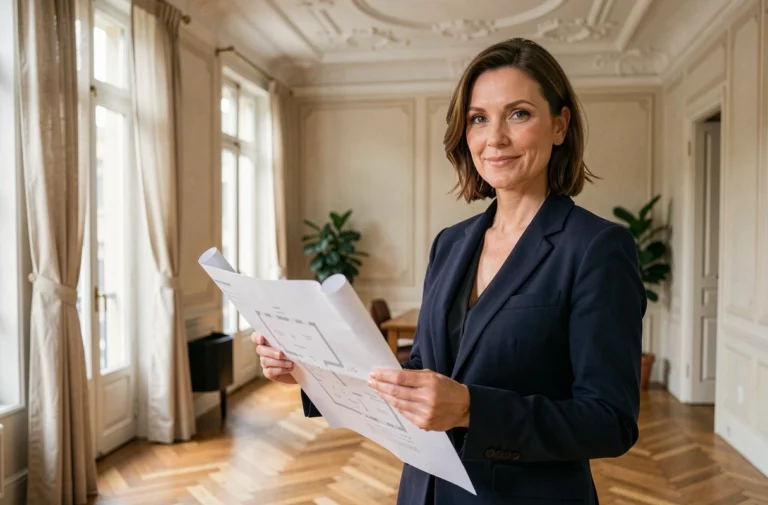
A noisy open space where concentration collapses after an hour, a closed office without natural light where fatigue sets in from the morning: we all know these situations that undermine the day before it even begins. Designing an inspiring workspace is not just about choosing a nice chair. It’s a matter of sensory signals, well-defined areas, and materials that directly influence well-being at work.
Bio-inspired materials and sensory atmosphere in the office
Biophilic design goes beyond just a green plant placed in the corner of a desk. Research compiled by the International WELL Building Institute in 2023 shows that workspaces integrating natural materials, organic shapes, and light mimicking the circadian cycle improve both perceived well-being and measurable creativity. We are talking about concrete gains in ideation, not a vague feeling.
Specifically, we can act on three sensory levers without completely redesigning the layout. The first: replace smooth plastic surfaces (desks, storage) with raw wood or cork. The tactile contact with warm textures reduces perceived tension.
The second: integrate a view of nature, even if simulated (large format poster, screen displaying moving landscapes). The third: favor lighting whose color temperature varies throughout the day, cooler in the morning, warmer in the late afternoon.
These choices are not just about decoration. Since the WELL v2 update, stabilized in 2023, these positive stimuli (art, nature, textures) are included in the “Healthy Mind” section as measurable levers of mental health at work. Companies specializing in workplace design offer support on these topics, as seen on the page: https://www.happyspace.fr/ which discusses the design of suitable professional spaces.
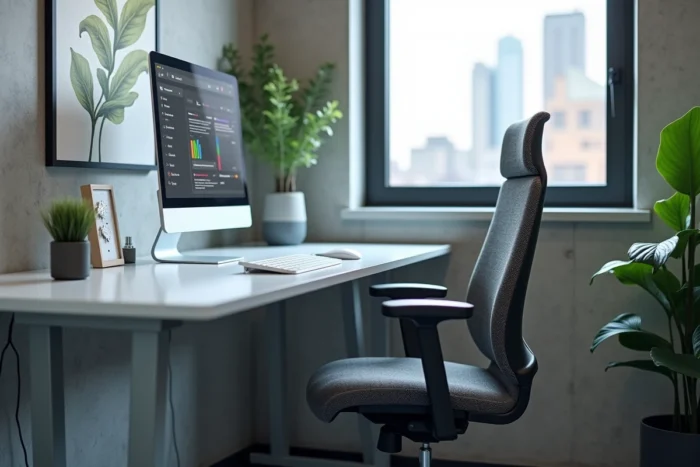
Micro-spaces for concentration in an open space
The real problem with open spaces is not the ambient noise itself. It’s the lack of refuge when you need twenty minutes of deep concentration. Post-Covid surveys, particularly the one by CBRE published in 2023 in the report “Global Workplace and Occupancy Insights,” identify regenerative individual micro-spaces as an attractive factor for the office compared to remote work.
Individual alcoves, acoustic phone booths, mini-lounges for one or two people: these areas are no longer a luxury reserved for the headquarters of tech giants. They are now being installed in SMEs and traditional coworking spaces.
What works on the ground
An acoustic booth placed in the middle of an open area changes the team’s dynamics. Feedback varies on this point, but it is often observed that the mere presence of a retreat space reduces collective irritability, even among those who do not use it every day. The signal sent is as important as the actual use.
Two common mistakes to avoid:
- Placing booths away from the main area, in a hallway or near restrooms, which turns them into storage spaces within weeks.
- Undersizing ventilation: a closed booth without proper air renewal becomes stifling after ten minutes and no one uses it.
- Multiplying booths without addressing the overall acoustics of the area, which amounts to putting band-aids on a structural problem.

Colors and zones: organizing the workspace by function
Assigning colors by zone is not just an aesthetic choice. It is a tool for cognitive navigation. When entering a blue-gray space, the brain receives a signal of calm and concentration. A corner with yellow or orange tones stimulates exchange and creativity.
Visually delineating each area with a coherent palette allows employees to instinctively choose the environment suited to their current task. No need for heavy partitions: a change in flooring, an accent wall, or a differently colored light fixture is enough to mark the transition.
Accessories and shelves as ambiance markers
Accessories play an underestimated role. Open shelves filled with books, personal items, or plants create a “lived-in” effect that transforms a functional desk into a professional living space. People are more willing to settle in and stay longer.
The classic pitfall: overloading the space. Three well-chosen items on a shelf are better than fifteen knick-knacks that gather dust and blur the visual clarity of the area.
Natural light and desk positioning
The impact of the physical positioning of furniture relative to windows is often underestimated. Placing a screen facing a source of natural light creates glare and forces one to close the blinds all day, negating the benefit of the window. Orienting workstations perpendicular to the windows solves this problem without compromise.
The desks closest to the windows should not be assigned based on hierarchical status. When designing an area, it is better to create a rotation or place collaborative zones near the windows, as short meetings tolerate light variations better than prolonged screen work.
- Install adjustable slat blinds instead of opaque curtains, to modulate light without eliminating it.
- Complement with adjustable temperature task lighting at each workstation, to compensate for gray days.
- Ensure that video conferencing spaces have proper frontal lighting, a detail that prevents eye strain during long calls.
An inspiring workspace is built in successive layers: materials and light first, functional zones next, accessories last. Each design decision sends a message to teams about the value the company places on their daily comfort. The offices where people work well are rarely the ones that cost the most, but those where every choice has been thoughtfully made based on actual use.